
Most families do not realize how much plastic they use every day. From grocery bags and food packaging to online deliveries and garbage liners, plastic has become part of daily life.
An average family can generate hundreds of kilograms of plastic waste every year. Much of this plastic is used only once before being thrown away.
Common Sources of Household Plastic:
• Grocery and carry bags
• Food wrappers and containers
• Milk packets and bottles
• Garbage bags
• Delivery packaging
• Disposable cutlery and cups
The problem is not just the amount of plastic used—it is how long it stays in the environment. Most plastic takes hundreds of years to break down and leaves microplastics behind.
Many plastic items end up in:
• Landfills
• Rivers and oceans
• Soil and drainage systems
This affects wildlife, marine ecosystems, and even human health.
Small Changes Can Reduce Plastic Waste
Families can reduce plastic use by making simple switches:
• Use reusable containers
• Avoid single-use plastics
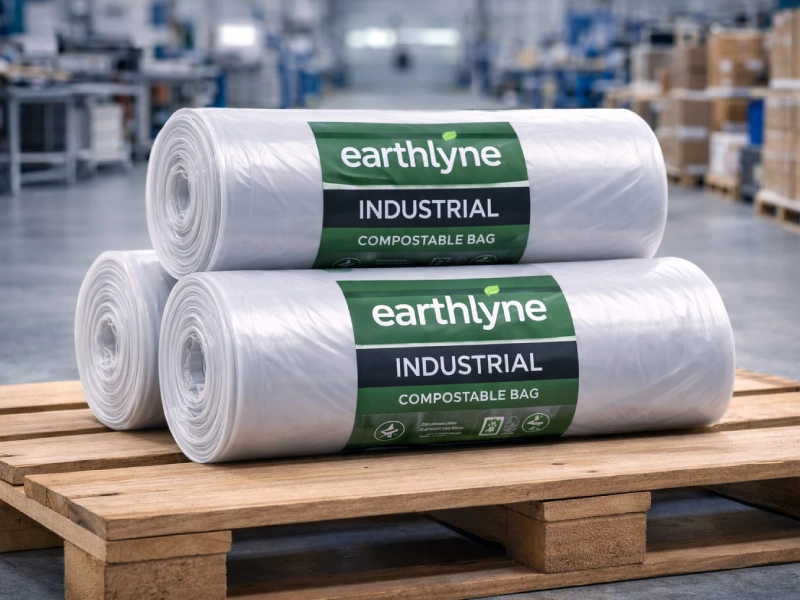
• Choose compostable bags
• Buy products with sustainable packaging
• Separate waste properly
Even replacing daily-use plastic bags with compostable alternatives can reduce long-term waste significantly.
Why Compostable Bags Help
Compostable bags break down into natural elements under composting conditions. Unlike conventional plastic, they do not leave harmful microplastics behind.
They offer a practical way for homes and businesses to reduce plastic pollution without changing everyday convenience.
Final Thoughts
Plastic waste starts with everyday habits. When millions of families use disposable plastic daily, the environmental impact becomes massive.
Reducing plastic use does not require drastic lifestyle changes. Small decisions—made consistently—can create long-term impact.
At Earthlyne, we believe sustainable choices today can help build a cleaner future for the next generation.